News&Knowledge from SgQ
Aluminum Folding Doors: A Perfect Choice for Modern Homes, Creating a More Open Space
Aluminum folding doors, or folding doors, are door systems made up of multiple panels connected with hinges and sliding tracks. The panels can be folded and stacked neatly to one side, creating an opening that is almost as wide as the full space. Aluminum material makes the doors lightweight, strong, and rust-free, making them ideal for modern homes that want to connect indoor and outdoor areas seamlessly.
✍️ Written by: SGQ Team (SmartGlassQuality Khlong Sam)
📅 Latest update: June 26, 2025
- What Is an Aluminum Folding Door?
- What Is a Folding Door Called in English?
- Advantages of Aluminum Folding Doors
- What Spaces Are They Best Suited For?
- How to Choose the Right One for Your Space
- Standard and Custom Sizes
- What You Need to Know Before Installation
- Common Problems and How to Fix Them
- Summary: Aluminum Folding Doors
- Frequently Asked Questions (FAQ)
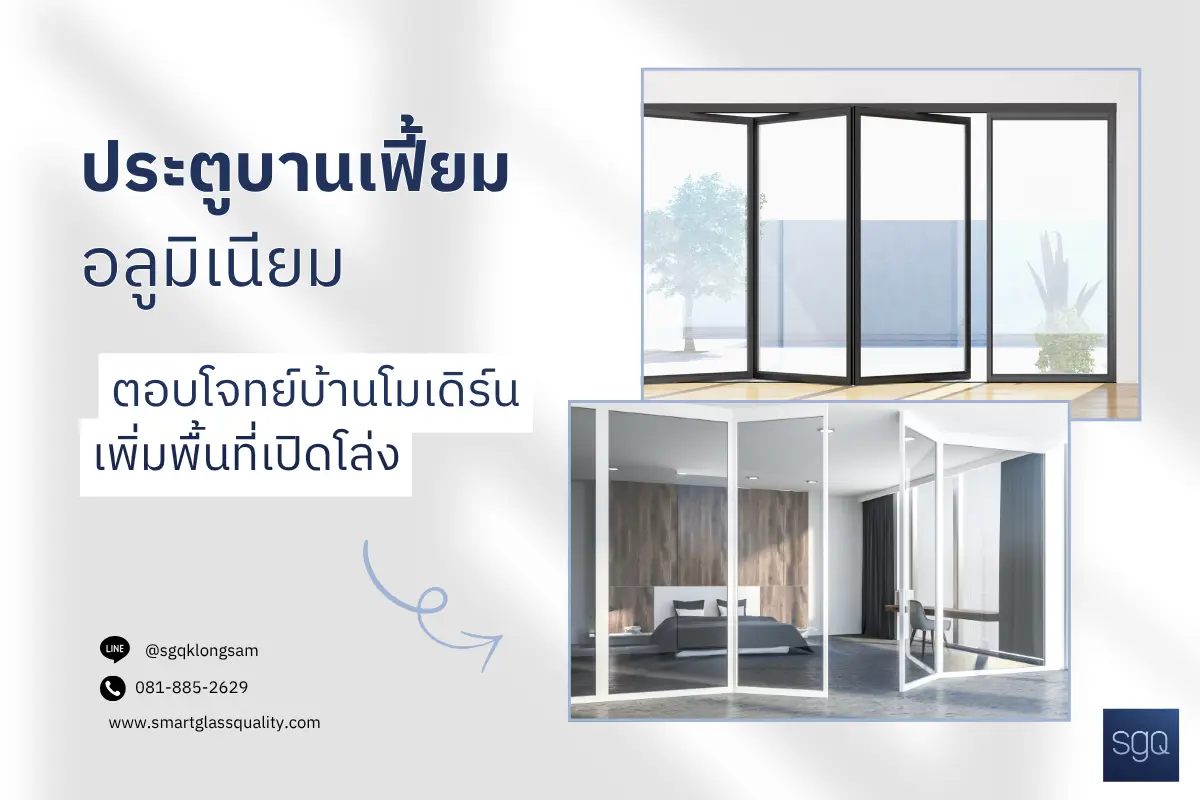
Aluminum folding doors, also known as aluminum bi-fold doors, are becoming increasingly popular in modern homes. They allow wide openings, seamlessly connect indoor and outdoor spaces, and are clearly easier to maintain than wood or steel. The SGQ Khlong Sam team has compiled insights from real project experience, covering thickness selection, glass, hardware, and common installation issues to help you make the right decision from the start.
🚪 Looking for aluminum folding doors with expert advice?
SGQ Khlong Sam offers complete materials and hardware, with free consultation from profile selection to installation.
📞 081-885-2629 |
💬 Line: @sgqklongsam
What Is an Aluminum Folding Door, and How Does It Work?
An aluminum folding door is a door system with multiple panels that fold and stack to the side. When opened, it creates an opening that is almost as wide as the full space. This is different from sliding doors, where the panels always overlap. Aluminum material makes the door lightweight, strong, and durable against weather conditions for long-term use.
A folding door is designed with multiple panels connected by hinges and sliding tracks, allowing the panels to fold and stack neatly to one or both sides. When fully opened, the panels align compactly along the edge of the doorway, creating an almost completely open space. This makes folding doors ideal for areas that require flexible opening and closing or for seamlessly connecting indoor and outdoor spaces.
An aluminum folding door applies this same folding system but is built with aluminum profiles, offering several advantages over wood or steel, such as:
- Lightweight yet strong
- Rust-resistant and weatherproof
Easy to maintain - Compatible with glass panels for a bright, elegant, and open appearance
How an Aluminum Folding Door Works
The folding door system consists of the following key components:
- Multiple door panels (commonly 3–6 panels or more, depending on the size of the opening)
- Hinges, which connect each panel together
- Top and bottom sliding tracks support the door’s weight and ensure smooth opening and closing.
A secure locking system provides safety and stability during use
When opened, the panels fold neatly to the side, creating a wide and unobstructed opening — unlike regular sliding doors, which often overlap and limit space. When closed, the panels unfold to form a solid, continuous wall that is both strong and tightly sealed.
How Is a Folding Door Different from a Sliding Door? A Clear Comparison
When a sliding door is opened, the panels always overlap, allowing a maximum opening of only about half of the total space. A folding door, on the other hand, folds and stacks all panels to the side, creating an opening that is almost 100% of the area. Sliding doors are easier to install and maintain, making them suitable for general use. Folding doors are ideal for spaces that need a fully connected opening, such as gardens, balconies, or event spaces. To learn why aluminum is a smart choice for doors and windows, read more here.
Comparison Table: Folding Doors vs. Sliding Doors
What is “บานเฟี้ยม” called in English, and what technical terms should you know?
“บานเฟี้ยม” is called a Folding Door or Bi-fold Door in English. “Folding Door” is used as a general term, while “Bi-fold Door” is often used when the panels fold symmetrically on both sides. In Thai aluminum work, the terms “บานเฟี้ยม” and “Folding Door” are commonly used interchangeably.
Is there a difference between Folding Door and Bi-fold Door?
“Folding Door” is a broad term used for all types of foldable doors, while “Bi-fold Door” refers to folding doors with two symmetrical folding sections, such as 3 panels folding to the left and 3 panels folding to the right. In Thai aluminum work, both terms are generally used interchangeably. However, when communicating with foreign architects or contractors, “Folding Door” is usually easier to understand.
Technical terms used by technicians and architects in folding door work
Technical terms you should know before placing an order or contacting an aluminum shop include Panel (each door panel), Pivot Hinge (center hinge), Track (rail), Roller (wheel), Sill (bottom track), and Stacking Side (the side where the panels fold and stack). Knowing these terms helps make ordering more accurate and reduces on-site errors.
What Are the Advantages of Aluminum Folding Doors?
The key benefits that make aluminum folding doors more popular every year are that they can open up the space to the widest extent, require low maintenance, do not rust, and offer a sleek, elegant design that suits modern, minimalist, and loft-style homes.
Expands living space and creates an open area
One of the key reasons aluminum folding doors are so popular is their ability to fully open up a space. When folded to the side, the panels stack compactly along the wall, leaving no overlapping sections like conventional sliding doors.
They are especially ideal for:
- Living rooms that connect to gardens
- Balcony or pool areas
- Cafés or restaurants that need flexible open spaces
Strength and durability
Aluminum is known for its outstanding strength against wind pressure, impact, and heavy use. This makes aluminum folding doors suitable for both interior and exterior applications without concerns about warping or deterioration, unlike wood or steel. They can also support large glass panels without compromising structural stability.
Low Maintenance, Time-Saving
Aluminum does not rust, swell, or require repainting like other materials. This helps homeowners save time and maintenance costs simply cleaning the panels and sliding tracks regularly keeps the doors in excellent condition for many years.
Stylish and Versatile Design
The sleek, modern design of aluminum folding doors complements a wide range of architectural styles from modern and minimalist to industrial loft. In addition, homeowners can choose from various frame colors and glass types to match their home or building theme perfectly.
What Types of Spaces Are Aluminum Folding Doors Suitable For?
Aluminum folding doors are a superior choice when it comes to creating open, connected spaces both functionally and aesthetically. They can be adapted for a wide range of applications, from residential homes to commercial spaces, such as the following:
Residential homes
- Living Rom Balcony Backyard
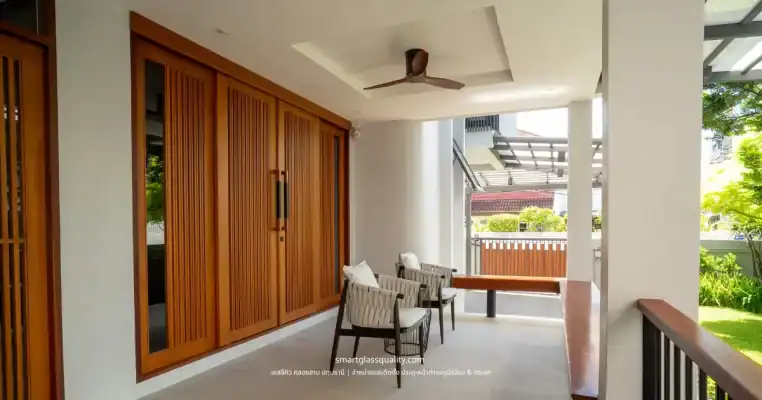
Use aluminum folding doors to seamlessly connect indoor and outdoor areas, allowing natural light, wind, and outdoor views to flow freely into the home. - Kitchen and Dining Area
Ideal for homes with open kitchens connected to gardens or patios enhancing ventilation and creating a bright, airy atmosphere. - Multipurpose Room
Perfect for dividing zones such as workspaces or children’s play areas, while allowing flexibility to open up the space when needed.
Office buildings, showrooms, and meeting rooms
Aluminum folding doors can be used to create temporary meeting rooms or open up large spaces for events and gatherings.
They give a modern, open, and spacious look to office areas or showrooms without compromising functionality.
Shops, cafés, and restaurants
For stores with street-facing fronts or open-air seating, folding doors allow full-width openings perfect for welcoming customers or creating an open, breezy ambiance.
Event spaces and multi-purpose halls
Ideal for event venues that require flexible space adjustments such as seminars, banquets, or group activities. Aluminum folding doors allow you to “open up” or “divide zones” quickly and conveniently, offering both functionality and elegance.
🚪 Looking for aluminum folding doors for your home or project?
SGQ Khlong Sam offers complete aluminum profiles, glass, and folding door hardware.
Get free consultation from our technician team to help choose the right size, thickness, and locking system for your project.
How to Choose the Right Aluminum Folding Door for the Installation Site
Choosing an aluminum folding door requires considering three key factors together: the profile thickness suitable for the panel size, the type of glass that meets both safety and heat insulation needs, and sliding track and locking hardware that can support the actual weight according to specification.
Installing aluminum folding doors for optimal performance involves more than just choosing a stylish design. It’s essential to consider several key factors including aluminum thickness, profile system, hardware quality, and the type of glass used. Here are some basic tips to help you select the most suitable aluminum folding door for your project:
Recommended Aluminum Thickness
Since folding doors must support multiple panels often paired with large glass sheets it’s recommended to use aluminum with a thickness of at least 1.5 mm. This is especially important for exterior installations or in windy areas, where higher structural strength is required.
- For indoor applications: 1.2–1.5 mm thickness is typically sufficient if there’s minimal wind pressure and lighter panel weight.
- For outdoor use or tempered glass panels: Choose 1.6–2.0 mm thickness to ensure stability, prevent bending, and extend durability.
See more details on choosing profiles in the Slim Frame Aluminum Guide.
Choosing Additional Hardware
High-quality components such as tracks, handles, and locks ensure smooth operation and long-term safety.
- Sliding Tracks: Choose sturdy aluminum tracks with durable rollers (stainless steel or high-grade nylon) that can effectively support weight. This ensures each panel slides smoothly without noise or friction.
- Handles: Select ergonomic handles designed to fit the folding door system, such as recessed or flat handles, which prevent obstruction when sliding panels.
- Locks: Choose a secure locking system, especially for exterior folding doors. Built-in track locks or double-lock systems are ideal for enhanced safety.
Glass Types Suitable for Aluminum Folding Doors
The glass used with aluminum folding doors should provide safety, sufficient thickness, and durability against environmental conditions. Recommended types include:
- Tempered Glass: Several times stronger than regular glass, it resists impact and heat. When broken, it shatters into small, blunt pieces, reducing injury risk ideal for large door panels.
- Laminated Glass: Offers extra safety even if broken, the inner film layer holds the fragments in place. Perfect for entry doors or high-rise buildings where safety is a top priority.
- Low-E Glass: Reduces heat transfer and blocks UV rays, making it ideal for sun-facing homes or spaces with high sunlight exposure.
What are the standard sizes of folding doors, and when should you order custom sizes?
Standard folding door sizes for residential use are usually around 70–90 cm wide per panel and 200–240 cm high. Custom sizes can be made according to the actual site area. The standard number of panels is usually 3–6 panels, depending on the width of the opening.
What is the maximum width and height of an aluminum folding door?
Each standard folding door panel is usually around 60–90 cm wide and up to about 270 cm high for general applications. However, with special profiles and high-quality tempered glass, the panel height can reach 300–320 cm for commercial buildings or showrooms. This depends on the profile thickness and the total panel weight that the sliding track can support.
What should you know before installing aluminum folding doors?
A proper aluminum folding door installation should begin with checking the floor and ceiling levels, allowing enough side space for the door panels to stack, and always measuring the actual on-site opening before production. Even a small measurement error can affect the performance of the entire sliding track system.
For aluminum folding doors to operate smoothly and last for years, it’s not just about choosing high-quality materials proper installation is equally essential. Attention to detail before, during, and after installation helps ensure that the folding system opens and closes seamlessly without long-term issues. Here are some key things to keep in mind before installation.
1. Steps for preparing the installation area
Before installation begins, the installer should carefully inspect and prepare the area as follows:
- Ensure the floor and ceiling are level: The top and bottom tracks can only function properly if the installation surface is straight and not warped. Uneven alignment may cause stiffness when opening or prevent the door from closing tightly.
- Allow sufficient side clearance for folding panels: If the opening is wide, consider the appropriate number of panels and allow 5–10 cm of space per panel for stacking on the side.
- Check the surface for the bottom track installation: It should be flat, solid, and free from cracks to support the weight of the panels and rollers effectively.
- เPlan electrical and piping systems in advance : If the folding door will be installed near electrical wiring or built-in furniture, plan the layout clearly beforehand to avoid conflicts during or after installation.
2. Points to check before and after installation
Before Installation:
- Measure the actual opening dimensions again on-site for accuracy.
- Check the level of the floor, ceiling, and both wall sides to ensure alignment.
- Plan the folding direction whether all panels will fold to one side or split into two sides.
After Installation:
- Test each door panel set to ensure smooth folding and sliding motion.
- Check that all lock points are securely closed.
- Inspect the seal between the glass and aluminum frame to ensure proper waterproofing.
- Verify the drainage system or weep holes beneath the door (for exterior installations).
Common Problems with Aluminum Folding Doors and How to Prevent Them
While aluminum folding doors offer wide, seamless openings that beautifully connect indoor and outdoor spaces, proper installation and maintenance are crucial. Neglecting key details may lead to operational problems later on. Below are some common issues and how to prevent them:
Problem: Door feels stiff or doesn’t slide smoothly
Possible Causes:
- Dirt or debris clogging the rollers, or worn-out roller bearings
- Misaligned or uneven track installation
- Using hardware that’s not rated for the door’s weight
Solutions:
- Clean the rollers and tracks regularly.
- Upgrade to high-quality stainless steel rollers or heavy-duty load-bearing types.
- Ensure track alignment and installation are checked by a professional installer.
Problem: Door panels don’t close tightly / Air or dust leaks through
Possible Causes:
- Profile frame doesn’t fit the opening precisely
- Rubber seals are worn out or missing in some areas
Solutions:
- Use aluminum systems specifically designed for folding doors, such as ORM or Fuji Metal.
- Add or replace rubber seals along the panel edges to improve tightness and insulation.
Problem: Water leakage at panel joints or bottom track area
Possible Causes:
- Poor or missing drainage system under the track
- Use of low-quality waterproof silicone
Solutions:
- Add or adjust drainage holes along the bottom track to allow proper water flow
- Use high-grade exterior waterproof silicone such as Antas or Wacker
- Ensure installation is handled by a professional familiar with folding door systems
Problem: Loose hardware such as handles, hinges, or locks
Possible Causes:
- Use of low-cost or poor-quality hardware
- Improper installation or loose fastening during assembly
Solutions:
- Choose a standardized folding door system that includes dedicated components such as long handles and multi-point locking mechanisms.
- Inspect all fittings to ensure tight installation and use anti-loosening screws for durability.
A well-built folding door starts with the right materials and skilled craftsmanship. Aluminum folding doors require precision in both materials and installation — even a small mistake, such as using the wrong roller type or aluminum profile that can’t handle hinge pressure, can cause long-term issues.
What types of homes and projects are aluminum folding doors suitable for?
Aluminum folding doors are one of the best choices that balance both functionality and design. They allow for a fully open space, seamlessly connecting indoor and outdoor areas while maintaining strength and durability. Thanks to aluminum’s natural properties rust resistance, lightweight structure, and easy maintenance aluminum folding doors have become increasingly popular in modern homes.
Whether it’s a home, restaurant, office building, or event space, choosing a high-quality aluminum folding door with professional installation can elevate both functionality and aesthetics enhancing the overall look and long-term value of the space.
Need advice on choosing the right aluminum folding door for your project?
Consult with our experts at SgQ Khlong Sam your one-stop shop for premium aluminum profiles, glass, and complete door window hardware solutions.
📖 Related Articles
Guide to Slim Frame Aluminum: How to Choose the Right Option for Your Project
Many folding door models use slim frames. Understanding the profile before choosing helps you achieve better results.
Why Should You Choose Aluminum for Doors and Windows?
Compare the Advantages of Aluminum with Other Materials Before Making an Investment
Aluminum Folding Doors — Quick Summary
- English Term — Called a Folding Door or Bi-fold Door; opens nearly 100% of the doorway
- Aluminum Material — Lightweight, rust-free, weather-resistant, and easier to maintain than wood or steel
- Standard Sizes — Each panel 60–90 cm wide, 200–320 cm tall; custom sizes available to fit your space
- Best For — Back gardens, balconies, restaurants, cafés, meeting rooms, and event spaces
- Before Installation — Check floor levelness, allow side clearance for panel stacking, and always measure on-site
Frequently Asked Questions: Aluminum Folding Doors
1. What is a folding door called in English?
A folding door is called a Folding Door or Bi-fold Door in English. “Folding Door” is the general term for any type of door that folds, while “Bi-fold Door” refers specifically to a door that folds symmetrically in two sections. In Thai aluminum work, both terms are commonly used interchangeably.
2. What are the standard sizes for aluminum folding doors?
Standard panel widths are approximately 60–90 cm, with heights of 200–240 cm for residential use. Custom sizes up to 300–320 cm in height are available for commercial buildings, depending on the profile thickness and the load capacity of the sliding track.
3. How do aluminum folding doors differ from sliding doors?
Folding doors stack all panels to one side, opening nearly 100% of the doorway. Sliding doors always have overlapping panels, providing a maximum opening of around 50%. Folding doors are ideal where a fully connected open space is needed, while sliding doors suit everyday use and are easier to maintain.
4. What type of glass should I choose for aluminum folding doors?
Tempered glass is recommended for general use — it is several times stronger than standard glass and safer upon breakage. For high-risk areas or tall buildings, laminated glass is preferred. If your home receives intense direct sunlight, adding Low-E glass helps reduce heat transfer from outside.
5. Where can I buy aluminum folding door materials and accessories?
SGQ Khlong Sam stocks aluminum profiles, processed glass, and folding door hardware all in one place. Our team is ready to advise on sizing, thickness, glass selection, and installation. Contact us at 081-885-2629 or Line: @sgqklongsam.
About the Author
This article was written by the SGQ Khlong Sam technician team. A full-service supplier of aluminum profiles, glass, and door and window hardware, based on real project experience across both residential homes and commercial buildings.
📍 Location: 19/60-61 Moo 7, Khlong Sam, Pathum Thani | 📞 Phone: 081-885-2629 | 🕐 Open: Monday–Saturday, 08:00–17:30
🚪 Consult us about aluminum folding doors at SGQ Khlong Sam.
Aluminum profiles | Processed glass | Complete folding door hardware
Free hardware dismantling service | Delivery service | Expert team ready to provide consultation
📍 19/60-61 Moo 7, Khlong Sam, Pathum Thani | Open Monday–Saturday, 08:00–17:30
For Aluminium Contractors & Installers
If you need aluminium profiles, quality glass, premium hardware, custom cutting & fabrication, installation tools, or on-site technical advice,
you can contact us at:
• Line : https://lin.ee/Wkn1Ong
• Tel : 081-885-2629
• Facebook : Smartglassquality
For Homeowners & Project Owners
If you are looking for aluminium door–window installation, glass works, sliding and swing systems, room partitions, or high-quality materials for home renovation
you can contact us at:
• Line : https://lin.ee/Wkn1Ong
• Tel : 099-392-1963 , 097-936-1449