News&Knowledge from SgQ
Starting a Career as an Aluminium Installer What You Need to Know Before Taking Your First Job Real Tips from Experienced Professionals
Starting a career as an aluminum technician requires understanding 5 key areas before taking on your first job: the 4 main door and window systems, including sliding, swing, awning, and fixed systems; choosing the right aluminum thickness for each project; having the essential basic tools; preparing the job site properly; and following safety practices during cutting and installation. Aluminum work is a system-based trade where even a 1–2 mm error can affect the result. With strong fundamentals, every project will come out cleaner and help reduce rework significantly.
✍️ Written by: SGQ Team (SmartGlassQuality Khlong Sam)
📅 Last updated: December 19, 2025
- Basic Knowledge Before Starting as an Aluminum Technician
- Common Door and Window Systems Used in Real Projects
- Essential Tools for Aluminum Technicians
- How to Choose the Right Aluminum Profile Thickness
- Job Site Preparation and Common Mistakes New Technicians Make
- Safety Tips During Installation
- How to Improve Your Aluminum Installation Skills
- Choosing the Right Profile System for Each Job
- Summary: What Beginner Aluminum Technicians Should Know
- Frequently Asked Questions (FAQ)
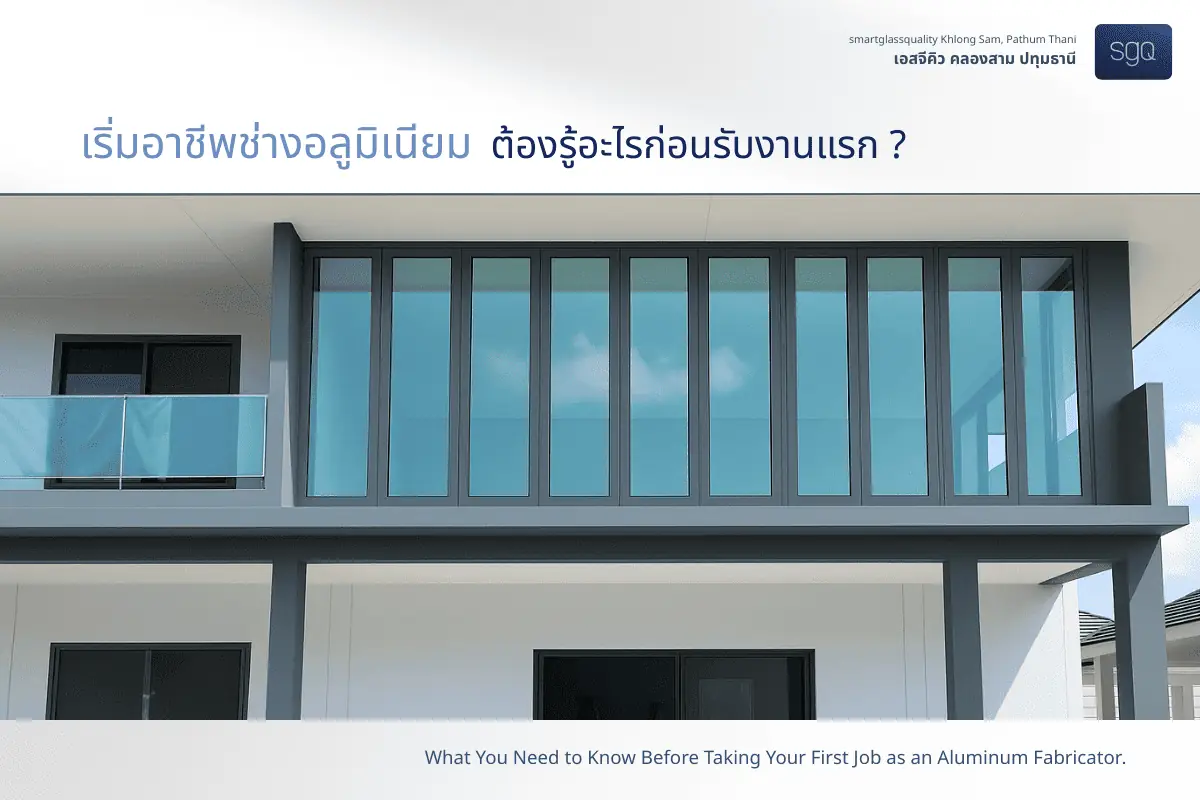
For many people, starting a career as an aluminium installer can feel challenging at first.
Aluminium work isn’t just about cutting profiles, installing panels, or applying silicone neatly —it requires solid fundamentals in many areas. From understanding door–window systems and aluminium thickness, to site preparation, proper tool usage, and on-site safety —all of these are essential parts of professional aluminium work.
If you are a new technician or a contractor looking to expand your work, “this article” is a guide written from real on-site experience and common issues found in actual projects. It shares practical techniques that help you work faster, achieve cleaner results, and reduce time wasted on rework. The content is presented by the team and perspective of SGQ Khlong Sam (Smart Glass Quality), a store with real industry experience across many types of projects, from residential work to large-scale projects.
🔧 New technicians looking for advice on door and window systems, aluminum thickness, or hardware accessories?
SGQ Khlong Sam is happy to provide practical technician-to-technician advice, with clear guidance and no holding back.
📞 081-885-2629 |
💬 Line: @sgqklongsam
Understand the Basics Before You Begin — The Most Important Starting Point
Starting a career as an aluminium installer doesn’t begin with buying tools and taking jobs right away.
It starts with understanding the work itself.
- Aluminium Work Is a “System-Based” Job
- Every panel, every profile, and every joint follows specific standards — and professional results come from respecting those systems.
- Even a 1–2 mm mistake is unacceptable — because it’s very difficult to fix later.
What Are the 3 Key Steps to Starting a Career as an Aluminum Technician the Right Way?
- Learn Real Systems and Core Fundamentals
- Learn How to Read Drawings Accurately
- Practice Cutting and Frame Assembly Until You’re Proficient If you overcut even slightly, the entire set can be ruined.
A common issue among new technicians is thinking that “cutting aluminum profiles is easy,” then cutting too quickly without measuring again. As a result, the profile gets damaged, becomes misaligned, or the groove is not cut straight, leading to rework later. SGQ has seen many cases like this among beginner technicians, so we want to emphasize: do not rush. Measuring and cutting are the core of the entire job.
Know the Door–Window Systems You’ll Encounter on Real Jobs
One of the most common questions from new installers is: “How many aluminium door–window systems are there?” In real-world work, there are around 4–5 main system types —but the most commonly encountered are:
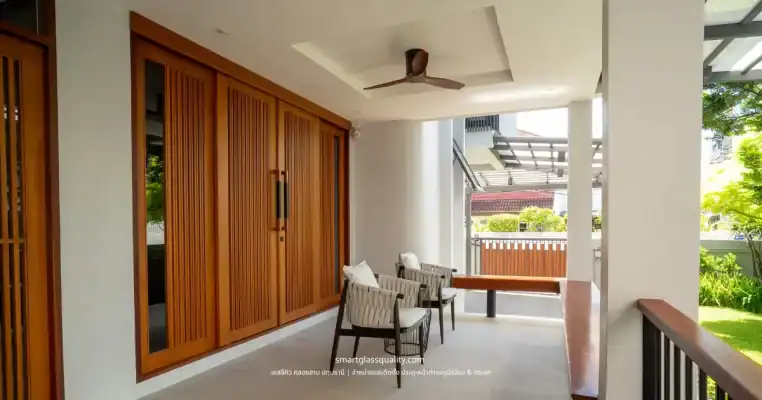
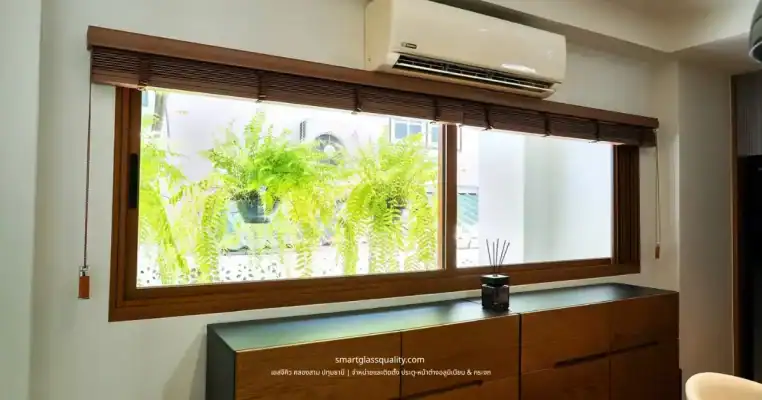
1) Sliding Doors / Windows
- Used in around 80% of residential projects.
- Easy to install, but requires proper rail setup and alignment.
- Installers must understand how to set the tracks and keep levels perfectly straight.
2) Swing Door / Swing Window
- Uses hinges as the main operating hardware.
- Precise hinge angle control is critical for smooth operation.
- Proper clearance gaps must be planned to avoid rubbing or sagging.
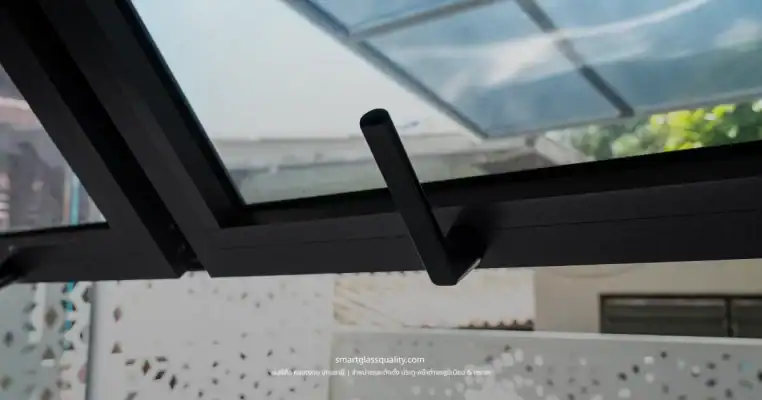
3) Awning Window System
- Commonly Used in Bathrooms and Kitchens
- Commonly Used in Bathrooms and Kitchens
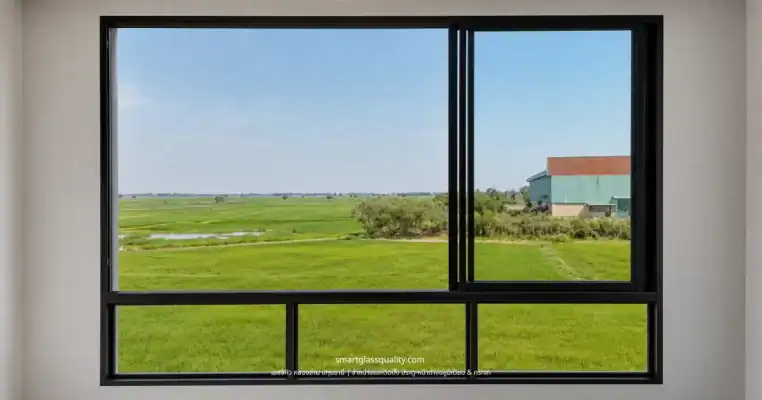
4) Fix Panel
- The simplest system — but requires extremely precise line control.
- Ideal for designs that require openness and natural light.
Each door–window system uses different aluminium profiles. Starting a career as an aluminium installer means understanding this clearly — so you can choose the right profiles and complete sets, reducing rework and mistakes.
How Many Types of Aluminum Door and Window Systems Are There, and Which Projects Is Each Type Suitable For?
Essential Aluminum Technician Tools: The Real Basic Set for Day One
For new installers, the essential aluminium tool set isn’t as large as many people think — but it must be complete, practical, and focused on real job-site use.
Essential Tools for Aluminium Installers — From Day One
- Fine-Tooth Aluminium Cutting Saw
- Steel Ruler & Measuring Tape (5–8 meters)
- Spirit Level
- Pencil / Pen for Line Marking (Avoid permanent markers)
- Electric Drill or Cordless Drill
- Screwdrivers (Multiple Sizes)
- Wrenches / Pliers
- Socket Set
- Silicone Gun
- Utility Knife Blades (Sharp and Replaced Frequently)
- Cut-Resistant Gloves
New installers should focus on tool quality rather than quantity. Good tools equal clean work.
SGQ provides all essential aluminium tools, but we recommend beginners start with only what’s necessary —
to avoid unnecessary investment.
How to Choose Aluminum Thickness for Home Projects: What New Technicians Should Know Before Ordering Materials
One of the most common mistakes new installers make is choosing aluminium thickness that doesn’t match the job requirements.
Recommended Aluminium Thickness for Installation Work
- General residential work → 1.2–1.4 mm
- Large sliding doors / windows → 1.4–1.6 mm
- Project work or tall panels (2.4–3.0 m and above) → 1.8–2.0 mm
- If the aluminium is too thin → panels may flex and cause wind noise.
- If the aluminium is too thick → cutting and assembly become difficult, and rollers take more load.
New installers should learn aluminium door–window installation through proper training, or at the very least, consult a supplier who can clearly explain the system before purchasing. At SGQ Khlong Sam, we always explain system types and thickness selection to new installers — there’s no need to feel shy about asking, because mistakes in cutting can lead to real job-site losses.
Which Aluminum Thickness Is Suitable for Each Type of Project?
⚠️ Too thin → panels may bend and wind noise may occur | Too thick → harder to cut and assemble, and rollers may work harder
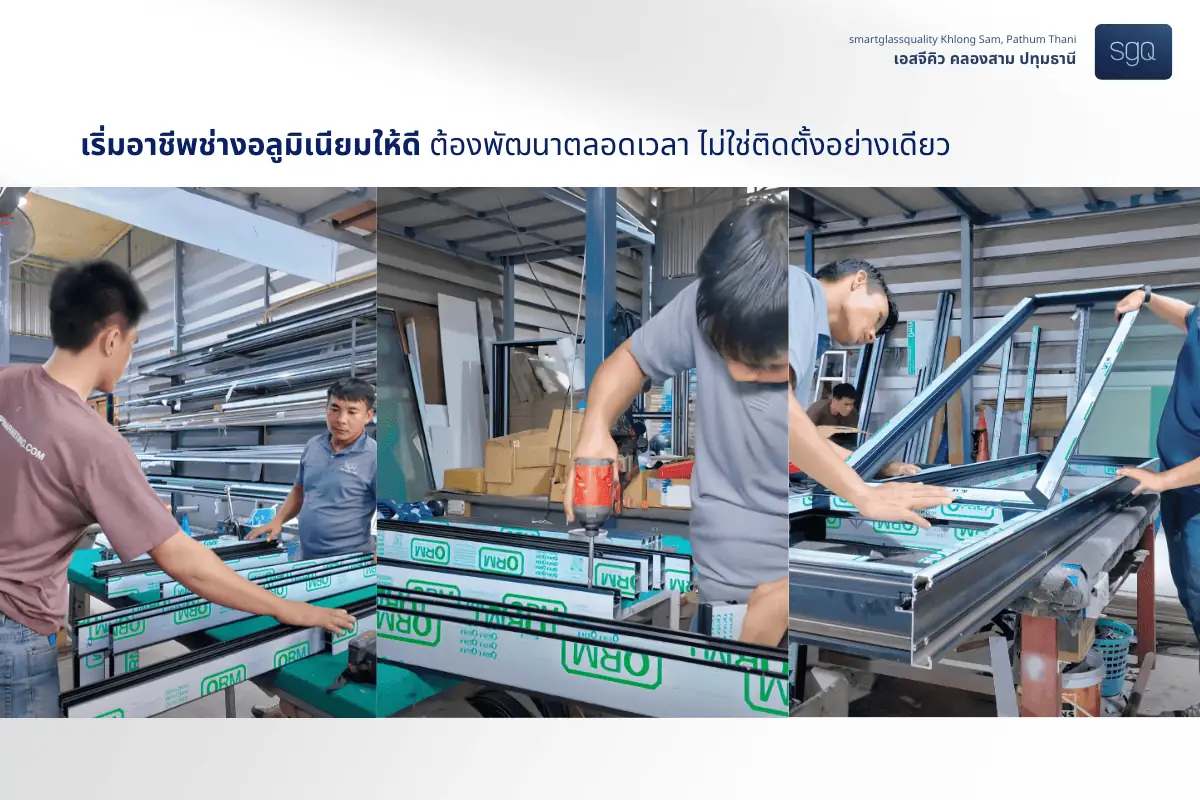
🔧 New technicians unsure which thickness or door-window system to choose? Consult SGQ directly.
The SGQ Khlong Sam team can recommend the right system and specifications for your actual project.
Complete product range, technician pricing, and clear advice with no holding back.
How to Prepare an Aluminum Installation Site: The Most Common Mistakes New Technicians Make
Many experienced installers know this well: good site preparation already completes 50% of the job.
This is where new installers most often make mistakes — especially in renovation projects, old houses, or when working with existing glass.
Door–Window Installation Tips for New Installers
- Check opening and closing clearances — measure both top and bottom, not just one corner.
- Check for wall tilt or uneven surfaces — very common in renovation work.
- Leave proper clearance gaps to allow smooth operation and expansion.
- Use measuring tools instead of guessing.
- Set and align the frame first before fastening it to the wall.
New installers often “fit the frame too tightly,” which causes sliding panels to move poorly — small mistakes like this are very difficult to fix on real job sites.
Safety During Installation — Never Overlook This
Aluminium work may look harmless, but it actually carries significant risks — especially when cutting profiles or lifting heavy glass panels. New installers must always remember the following safety basics:
- Wear cut-resistant gloves.
- Wear safety goggles to protect against flying debris.
- Secure the workpiece firmly before cutting.
- Be cautious of blade kickback when cutting.
- Avoid using silicone in poorly ventilated areas.
We often encounter cases where installers overcut profiles because they rush or bend too quickly — resulting in flying debris and injuries. Safety is the foundation of professional work and must never be ignored.
How to Improve Your Skills as an Aluminum Technician: Tips from Senior Technicians
To Build a Strong Career as an Aluminium Installer, Continuous Improvement Is Key Experienced installers often emphasize these 3 core principles:
1) Deliver Clean, Flawless Finishing
- Apply silicone in clean, consistent lines.
- Avoid leaving stains or smudges on the frames.
- Finish screw heads so they are flush and neatly concealed.
2) Keep Learning New Systems
Such as premium sliding systems, Euro Profile systems, wind-resistant fittings, and heavy-duty rail systems.
3) Understand Customer Expectations
What do homeowners want to see? Smooth operation, quiet movement, scratch-free finishes, and clean workmanship. Skilled installers understand this — and consistently deliver it.
Choose the Right “Aluminum Profile System” for Each Project: Practical Tips Used by Professional Technicians
Starting a career as an aluminium installer isn’t too difficult if you build the right foundation.
Understand door–window systems, use appropriate tools, and choose aluminium profiles that truly match real-world applications. Whether it’s sliding, swing, awning, or fixed systems — each has its own strengths and limitations.
Experienced installers often emphasize that “choosing the right system for the job” is the most important factor.
Some residential projects work well with standard systems.
Tight renovation spaces may require systems that are easy to modify.
Large projects or windy locations should prioritize stronger, more rigid profiles.
You don’t need to stick to just one system — what matters is knowing how to choose the system that best fits the job. When you control quality from measuring, cutting, and assembly through to final installation, every project will come out clean, rework will be reduced, and customer confidence will follow.
If you’re a new installer looking for advice on aluminium profiles, door–window systems,
essential hardware, or real on-site techniques, the SGQ Khlong Sam team is always happy to help.
We offer friendly, practical guidance — installer to installer — with a complete range of materials ready to match your specific project needs.
📖 Related Articles
5 Skills That Keep Aluminum Technicians Fully Booked — Building on the Basics
After learning the basics, build on these 5 additional skills that make customers want to hire you first.
Guide to Choosing Durable Aluminum Door and Window Accessories Without Repeat Repairs
Choose the right accessories from the start to reduce long-term problems that new technicians often face.
Why Do Professional Technicians Choose Ready-Cut Aluminum Instead of Cutting It Themselves?
Save time, reduce errors, and control costs more effectively.
Aluminum Supplier in Khlong Sam Trusted by Technicians, with Complete Products and Services
New technicians looking for a regular supplier that truly provides support and practical advice.
Summary of What New Aluminum Technicians Should Know Before Taking Their First Job
- Aluminum work is system-based — a 1–2 mm error can ruin the entire panel, so the basics must always be learned first.
- 4 main door and window systems — sliding, swing, awning, and fixed. Each system uses different profiles, so understanding them first helps you choose the right profiles.
- Aluminum thickness — 1.2–1.4 mm for general residential projects, 1.4–1.6 mm for large panels, and 1.8–2.0 mm for project work.
- Basic tools — focus on quality rather than quantity. Good tools help create a clean finish from the start.
- Good site preparation = 50% of success — measure both the top and bottom, check wall alignment, and leave the correct clearance gaps.
- Consult SGQ — call 081-885-2629 or LINE: @sgqklongsam for practical technician-to-technician advice.
Frequently Asked Questions: Starting a Career as an Aluminum Technician
1. What should new aluminum technicians know before taking their first job?
They should understand 5 key areas: the 4 main door and window systems, choosing the right aluminum thickness for each job, essential basic tools, job site preparation techniques, and safety during cutting and installation. Understanding these basics helps reduce rework and achieve a clean result from the first piece.
2. How many types of aluminum door and window systems are there?
There are 4 main systems commonly used in real projects: sliding systems, which are the most common in Thai homes; swing systems for bedrooms and entrance doors; awning systems for bathrooms and kitchens; and fixed panels for light openings and glass walls.
3. What aluminum thickness should be chosen for home projects?
General residential projects commonly use 1.2–1.4 mm. Large sliding panels use 1.4–1.6 mm. Project work or panels taller than 2.4 meters use 1.8–2.0 mm. If the aluminum is too thin, the panel may bend and create wind noise. If it is too thick, cutting and assembly become more difficult, and the rollers require more force to operate.
4. What essential aluminum technician tools are needed from day one?
Essential basic tools include an aluminum cutting machine with a fine-tooth blade, a 5–8 meter measuring tape, a spirit level, a marking pencil, an electric drill, screwdrivers in multiple sizes, a silicone caulking gun, a cutter blade, and cut-resistant gloves. It is recommended to focus on quality rather than having many tools.
5. Where Can New Aluminum Technicians Get Advice on Systems and Specifications?
SGQ Khlong Sam is happy to provide practical technician-to-technician advice, whether it is about door and window systems, aluminum thickness, or suitable hardware accessories for each project. The team is easy to talk to, friendly, and offers a complete range of products at technician pricing. Contact 081-885-2629 or LINE: @sgqklongsam.
About the Author
This article was written by the SGQ Khlong Sam team.
A complete supplier of aluminum profiles and hardware accessories.
Based on real experience working with technicians and contractors across many projects in Pathum Thani.
Covering both residential projects and large-scale project work.
🔧 New technicians or contractors looking to expand their work can consult SGQ directly.
System recommendations, specification selection, technician pricing, and custom cutting and assembly services based on your design.
Khlong Sam, Pathum Thani — technician-to-technician support with clear advice and no holding back.
📍 19/60-61 Moo 7, Khlong Sam, Pathum Thani | Open Monday–Saturday, 08:00–17:30
For Aluminium Contractors & Installers
If you need aluminium profiles, quality glass, premium hardware, custom cutting & fabrication, installation tools, or on-site technical advice,
you can contact us at:
• Line : https://lin.ee/Wkn1Ong
• Tel : 081-885-2629
• Facebook : Smartglassquality
For Homeowners & Project Owners
If you are looking for aluminium door–window installation, glass works, sliding and swing systems, room partitions, or high-quality materials for home renovation
you can contact us at:
• Line : https://lin.ee/Wkn1Ong
• Tel : 099-392-1963 , 097-936-1449