News&Knowledge from SgQ
Low-E Glass: Energy-Saving Glass for Aluminum Doors and Windows
Low-E Glass, or Low Emissivity Glass, is glass coated with a thin layer of metal on the surface to reflect heat radiation (Infrared) and UV rays outward, while still allowing sufficient natural light to pass through. Low-E glass is an ideal solution for homes or buildings that need to reduce heat, save on air conditioning electricity costs, and protect furniture from fading without losing natural light.
✍️ Written by: SGQ Team (SmartGlassQuality Khlong Sam)
📅 Last Updated: September 4, 2025
- What Is Low-E Glass and How Does It Work?
- Properties That Deliver Real Energy Savings
- Pros & Cons You Should Know Before Deciding
- Which Aluminum Doors & Windows Work Best with Low-E Glass?
- How Much Energy and Electricity Cost Can You Save?
- How to Choose the Right Low-E Glass for Your Home
- Buy Low-E Glass at SGQ Khlong Sam
- Summary: Key Facts About Low-E Glass
- Frequently Asked Questions (FAQ)
Energy-saving glass has become something homeowners and architects ask about more every year. As glass areas in modern homes become larger, more heat can enter the building as well. Low-E glass is a technology that directly solves this problem by reflecting heat outward without blocking natural light. When paired with high-quality aluminum frames, it further improves long-term heat protection performance. The SGQ Khlong Sam team has gathered insights from real project experience to help you choose and install the right solution from the start.
🪟 Looking for Low-E Glass with High-Quality Aluminum Frames?
SGQ Khlong Sam offers a complete range of glass and aluminum products, with free consultation to help you choose the right specifications for your home and budget.
📞 081-885-2629 |
💬 Line: @sgqklongsam
What Is Low-E Glass, and How Does It Work?
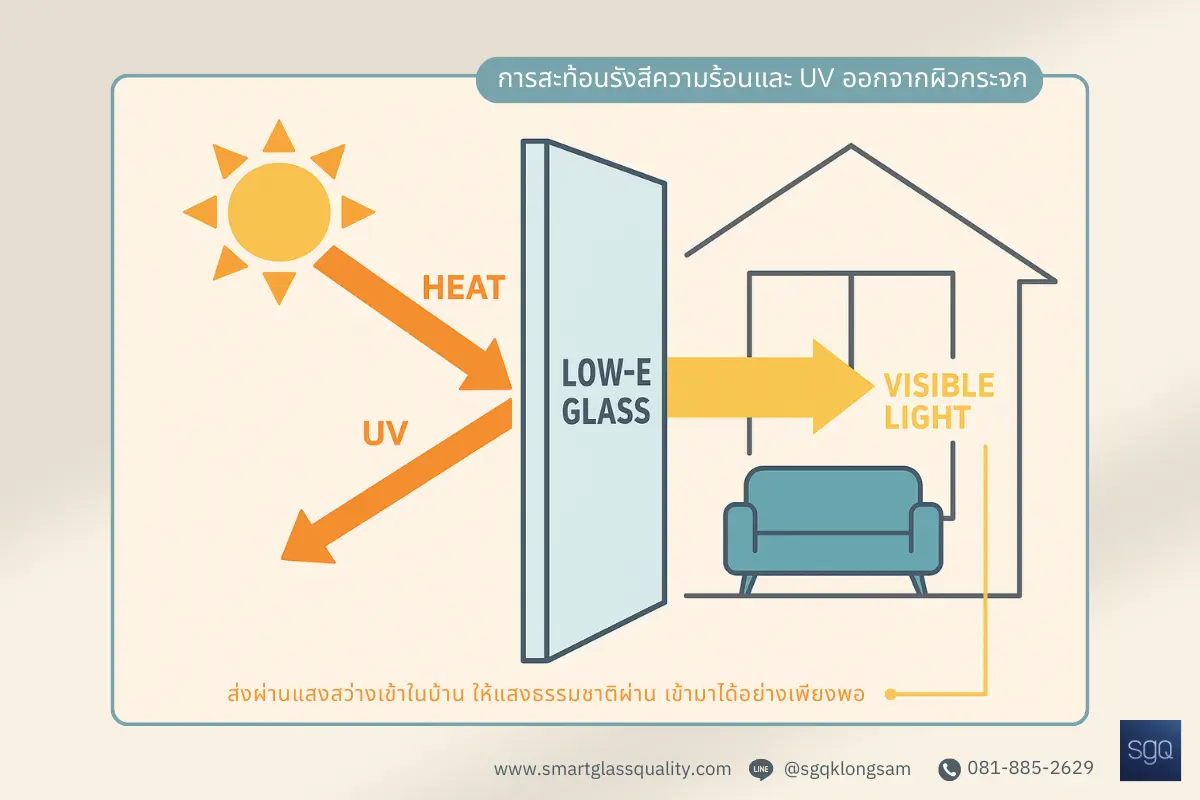
Low-E glass is glass coated with an ultra-thin metallic layer on its surface. This coating helps reflect infrared heat radiation and UV rays outward while still allowing sufficient visible natural light to pass through. As a result, the house stays cooler in hot weather, warmer in cold weather, and the air conditioner does not have to work as hard.
Low-E glass, or Low Emissivity Glass, is a special type of glass coated with a thin metallic layer on the glass surface. This coating helps control heat transfer between the inside and outside of a building. It reflects heat radiation in the infrared wavelength range and ultraviolet (UV) rays while still allowing sufficient natural light to pass through.
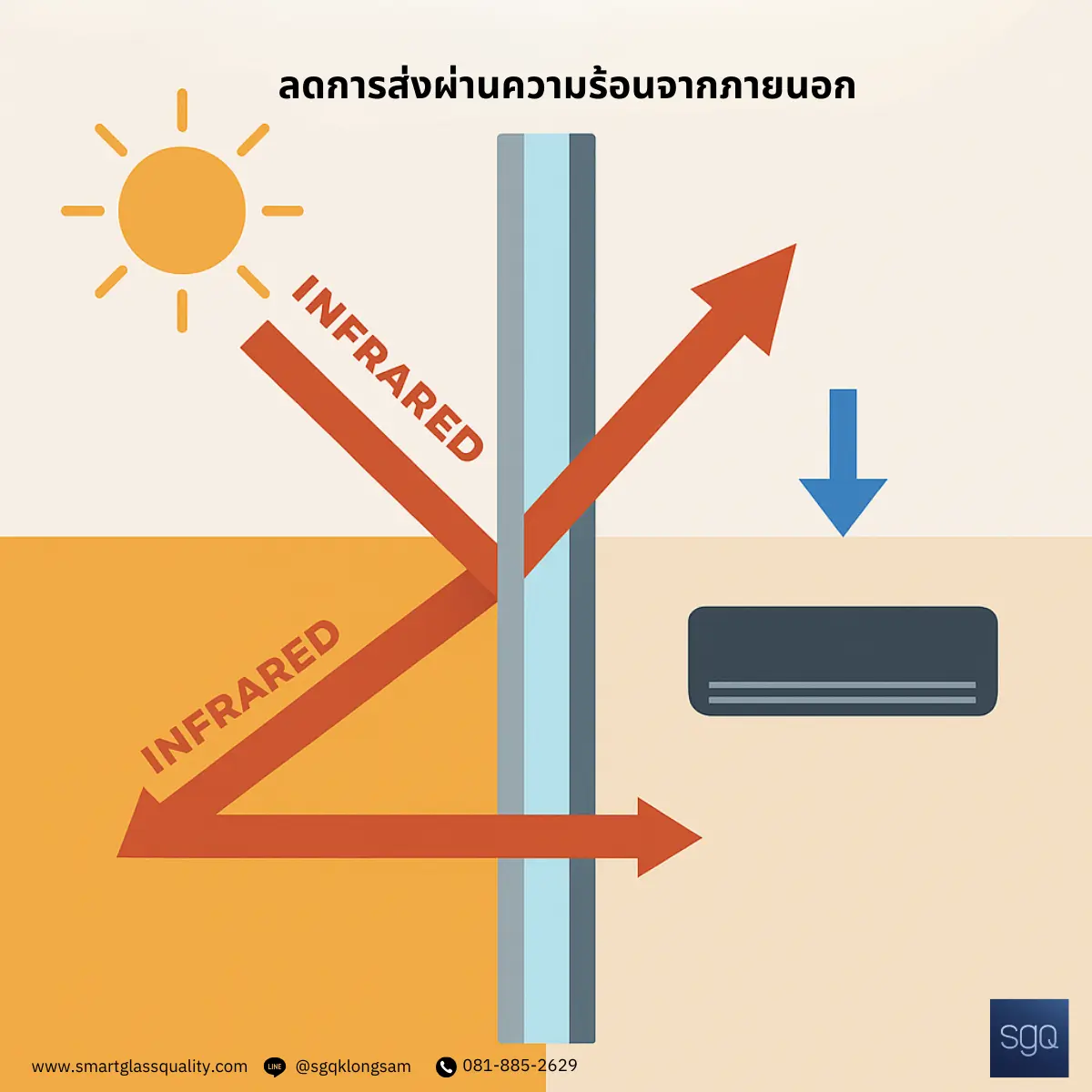
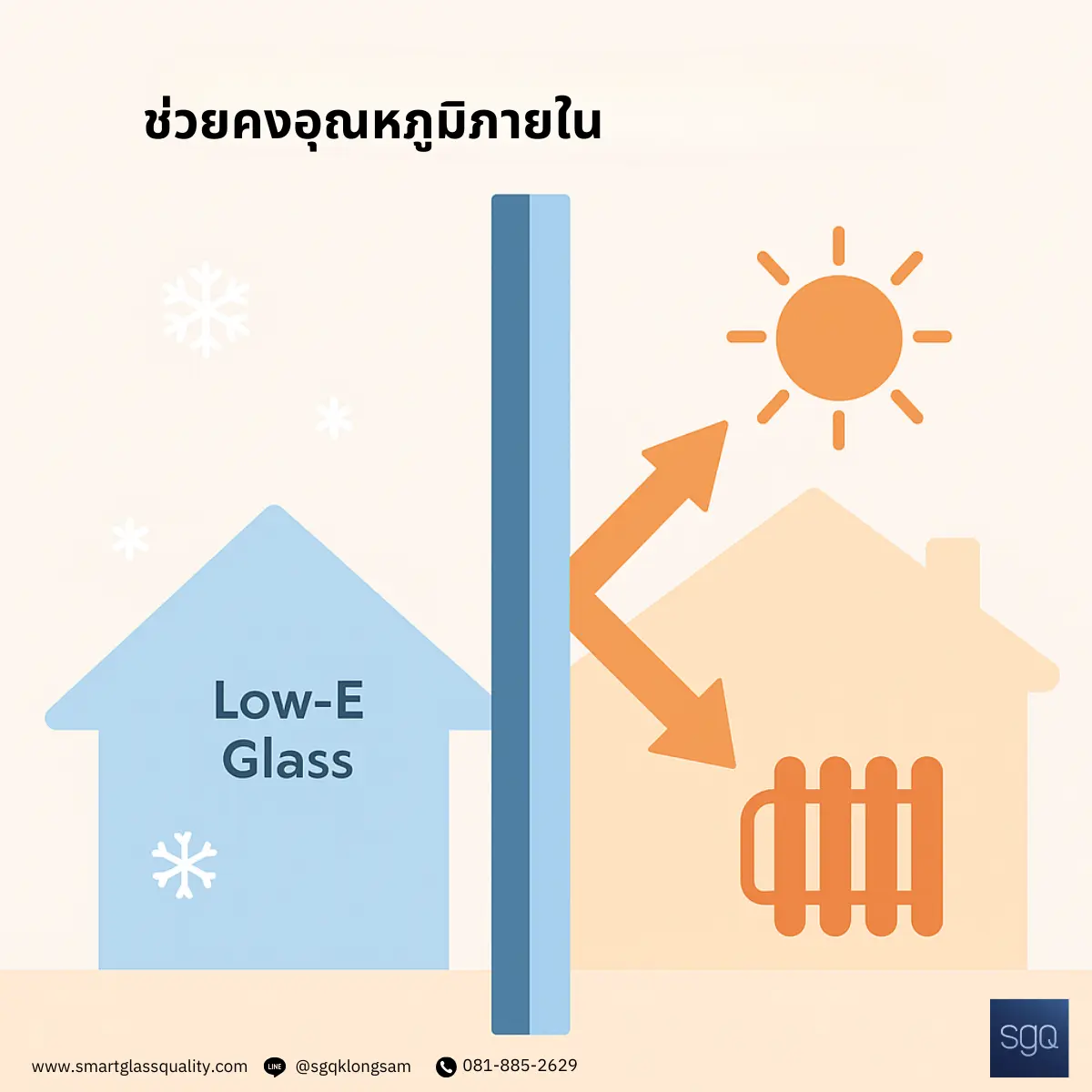
The working principle of Low-E glass is that when sunlight containing heat radiation and UV rays hits the glass surface, the special coating reflects heat outward and reduces heat radiation entering the interior. This helps keep homes or buildings cooler during hot weather and helps retain warmth during colder weather. The result is reduced workload for air conditioners and heating systems, which helps save energy effectively.
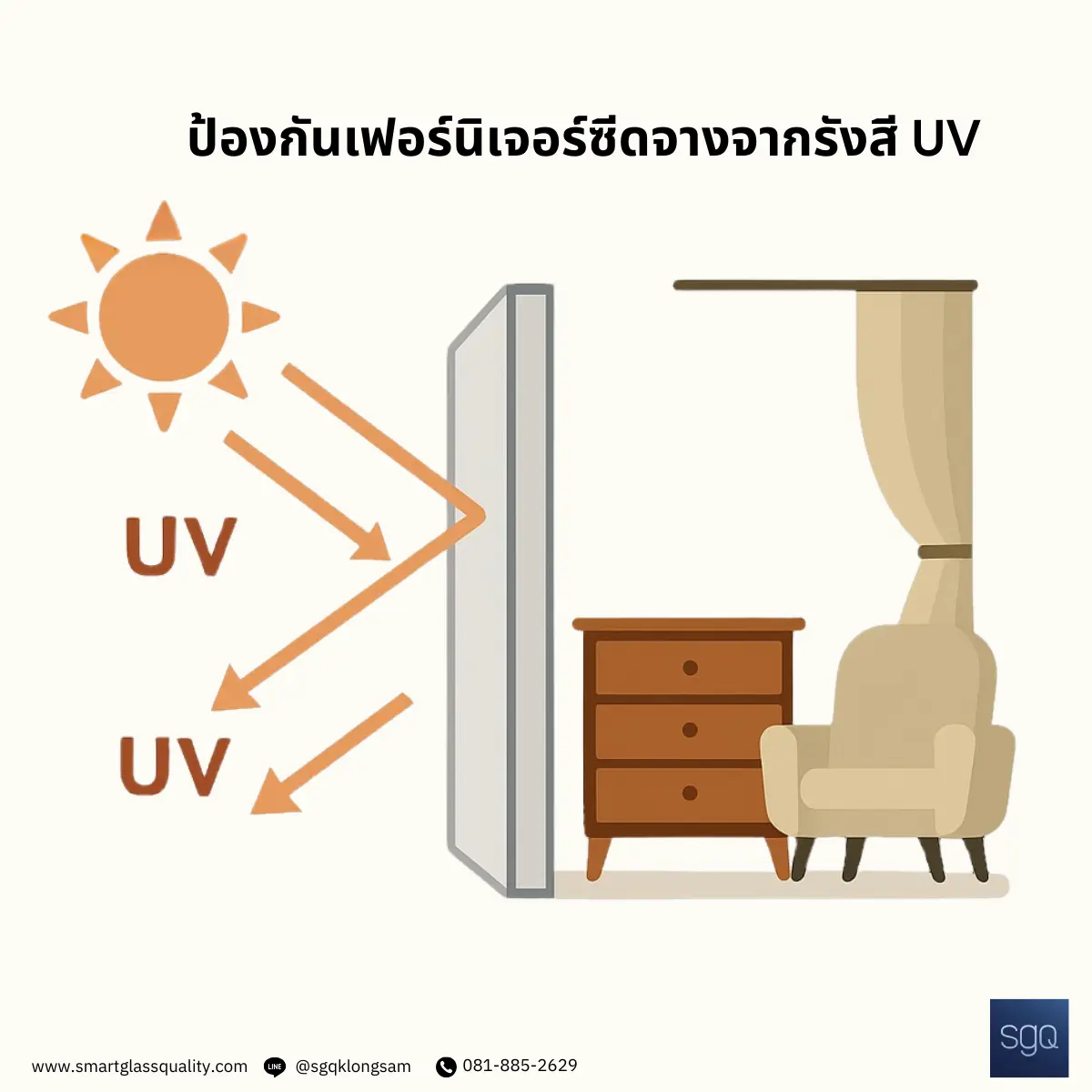
In addition, Low-E glass helps protect furniture, wooden floors, and curtains from premature fading. It also helps block UV rays, which are a major cause of fading in furniture, wooden floors, and curtains. Therefore, Low-E glass not only helps save energy but also extends the service life of interior decoration materials in the home.
What Properties Does Low-E Glass Have That Help Save Energy?
Low-E glass has three main properties that work together: it reflects heat radiation outward to prevent heat from entering the building, helps maintain a more stable indoor temperature, and filters harsh glare to create softer light without blocking natural daylight. These three properties work together every day throughout the glass’s service life.
Low-E glass is designed to improve energy efficiency in buildings and residential homes, with the following key features:
- Reduces Heat Transfer from Outside: The thin metallic coating on the glass surface helps reflect heat radiation (infrared) outward, reducing heat transfer into the building. This helps reduce the workload of the air conditioner during hot weather.
-
Helps Maintain Indoor Temperature: In addition to blocking heat during the hot season, Low-E glass also helps retain warmth inside the home during colder weather, reducing energy loss from heating systems.
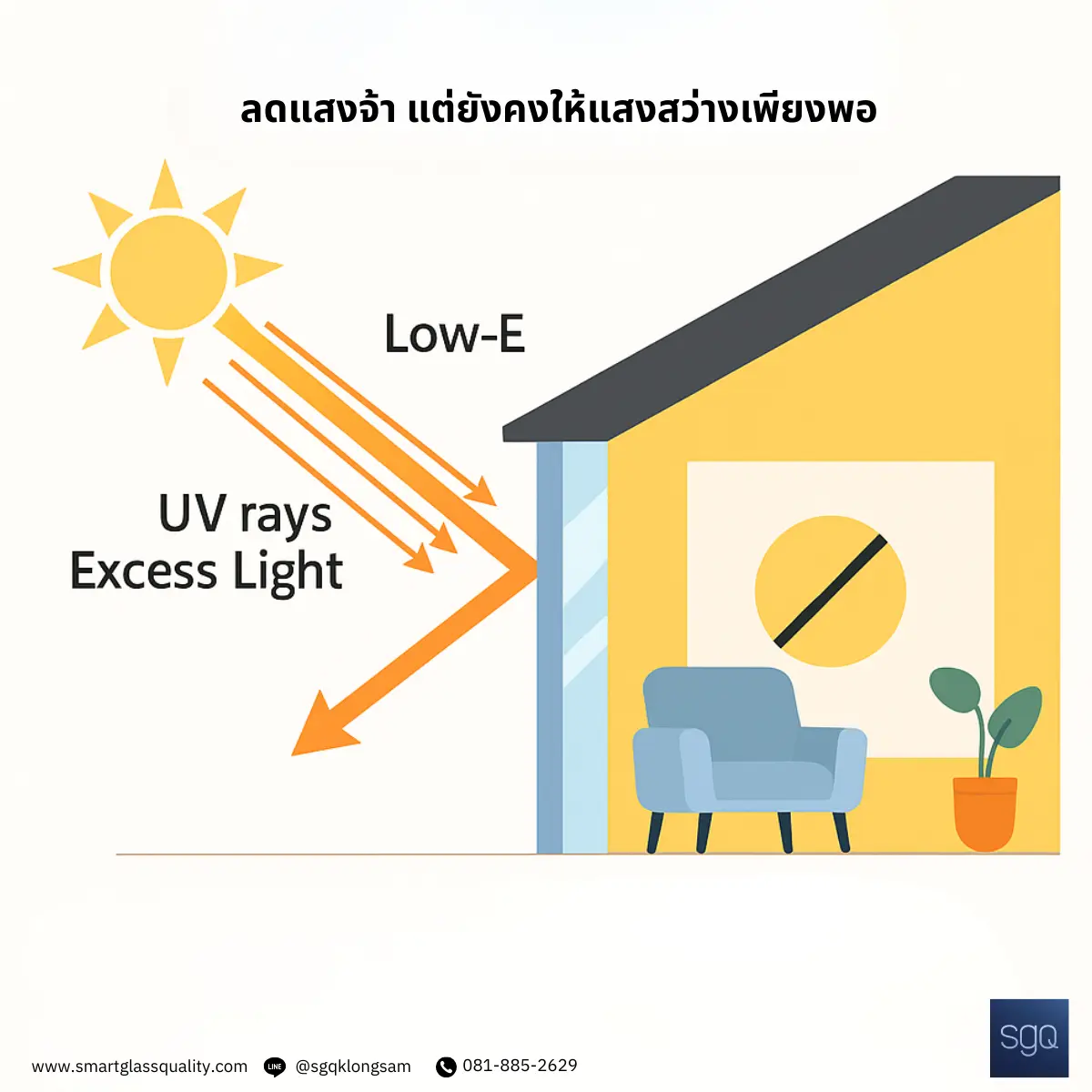
- Reduces Glare While Still Providing Sufficient Light: It can filter UV rays and excess light that cause glare while still allowing enough natural light to pass through for indoor use.
What Are the Pros and Cons of Low-E Glass? What Should You Know Before Making a Decision?
The main pros and cons of Low-E glass are clear when compared side by side. Its key advantages are energy savings and UV protection for furniture, making it highly cost-effective. However, its limitations are that it costs 2–3 times more than standard glass and must be installed by skilled technicians to achieve maximum performance.
Advantages of Low-E Glass
- Saves energy Reduces electricity use from air conditioners and heating systems.
- Improves living comfort Helps maintain a stable indoor temperature, preventing the space from becoming too hot or too cold.
- Protects furniture and decorative materials Reduces fading caused by UV rays.
- Provides softer natural light Reduces glare and reflections.
Disadvantages of Low-E Glass
- Higher price than standard glass Due to its special production and coating process.
- Requires proper installation To achieve maximum performance, it should be installed by skilled technicians and paired with quality aluminum frames.
- The glass color may differ slightly from standard clear glass Because of the metallic coating, it may have a light tint or slightly different reflection.
How Much Does Low-E Glass Cost, and Is It Worth It Compared to Standard Glass?
Low-E glass is approximately 2–3 times more expensive than standard clear glass, depending on the thickness, type selected, such as Single Silver or Double Silver, and the brand. However, when considering the electricity savings from reducing air conditioner usage over a service life of 20–30 years, Low-E glass is clearly more cost-effective in the long run, especially for homes or buildings with large glass areas that receive direct sunlight. The exact price depends on the size and specifications. SGQ Khlong Sam provides free consultation and quotation services.
Comparison: Low-E Glass vs Standard Clear Glass
🪟 Looking for Low-E glass with aluminum frame installation?
SGQ Khlong Sam offers Low-E glass and aluminum frames for all window and door systems.
We can help you choose the right U-Value and SHGC specifications to suit your building orientation.
What Types of Aluminum Doors and Windows Is Low-E Glass Suitable For?
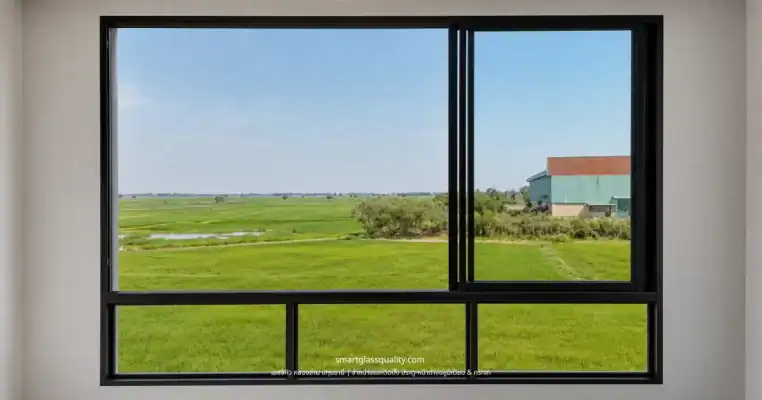
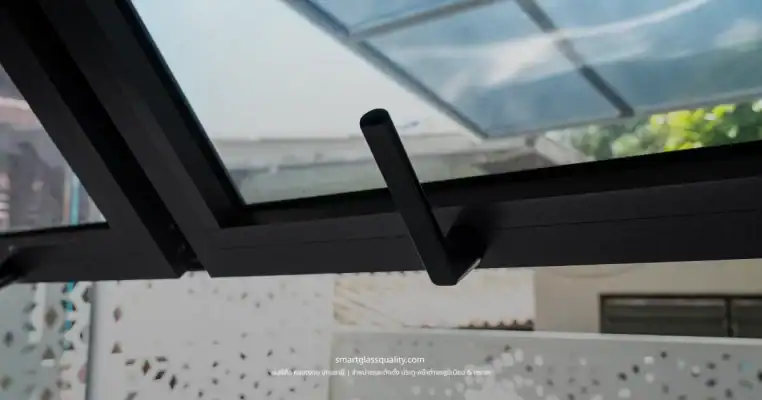
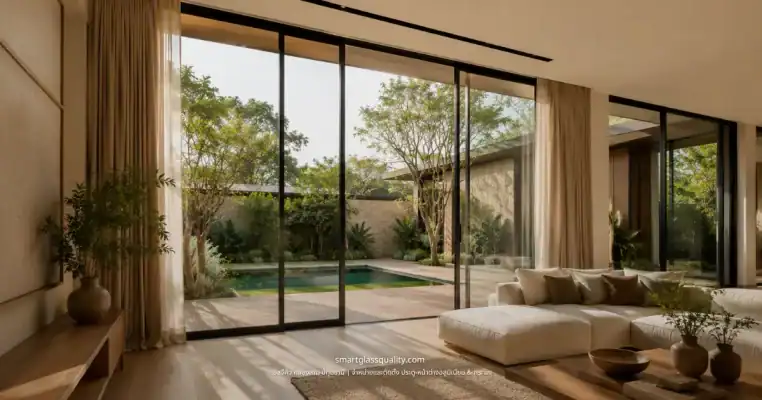
Low-E glass can be used with all types of aluminum frames, including sliding, awning, casement, and fixed systems. Slim-profile aluminum frames help increase the glass area, allowing you to gain the full benefits of Low-E glass more effectively than thick frames or wooden frames.
Choosing glass for doors and windows is not only about appearance. It also requires considering functionality and energy efficiency. Low-E glass is an excellent match for high-quality aluminum frames because aluminum is strong, lightweight, rust-resistant, and can be designed to support various glass sizes without losing strength.
Why Aluminum Frames Are Suitable for Low-E Glass
-
Strong structure that supports glass weight well, even with multi-layer or thick glass.
-
Slim-profile design helps increase the glass area, allowing more natural light to enter.
-
Resistant to warping and deterioration, helping maintain the heat protection performance of Low-E glass in the long term.
Versatile Applications Low-E glass can be installed with aluminum frames in many formats, such as:
-
Sliding Door/Window Suitable for areas that require space-saving opening and closing.
-
Awning Window Allows ventilation even when it rains.
-
Casement Door/Window Opens wide for full ventilation.
-
Fixed Window Suitable for large glass openings. Learn more about fixed glass panels and fixed windows here.
Suitable for Energy-Saving Homes and Buildings
Using Low-E glass with aluminum doors and windows helps reduce cooling loss from air conditioners and reduces heat from outside. This helps homes and buildings use less energy. It is especially suitable for energy-saving housing projects, office buildings, or condominiums that require both modern design and energy efficiency.
Installation for Maximum Performance
To ensure Low-E glass performs at its full efficiency, you should choose experienced installers and use quality aluminum window and door systems such as ORM, Schimmer, or Fuji Metal. These systems are designed for a tight fit, helping prevent air and water leakage, while using standard accessories.
How Much Energy and Electricity Cost Can Low-E Glass Save?
Buildings installed with Low-E glass can genuinely reduce energy use from air conditioning because the indoor temperature becomes noticeably lower compared to standard clear glass. Although the initial cost is higher, the electricity savings throughout its service life can help recover the investment in the long term.
One key reason Low-E glass has become widely popular is its visible energy-saving performance. Its ability to reduce heat transfer and maintain indoor temperature helps cooling and heating systems work less, directly reducing long-term energy costs.
- Reduces Air Conditioner and Heater Workloa When glass can effectively block outside heat and retain indoor temperature, air conditioners in hot weather and heaters in cold weather work less. This not only helps extend the service life of these appliances but also reduces maintenance costs.
- Reduces Long-Term Electricity Costs Although Low-E glass has a higher cost than standard glass, when considering the electricity savings throughout its service life, it proves cost-effective in the long term, especially for homes or buildings with large glass areas that receive direct sunlight.
Although Low-E glass has a higher cost than standard glass, when considering the electricity savings throughout its service life, it proves cost-effective in the long term, especially for homes or buildings with large glass areas that receive direct sunlight.
Comparing Indoor Temperature and Electricity Costs Before and After Installation
Based on real usage data, buildings installed with Low-E glass can reduce indoor temperature by several degrees compared to standard clear glass. This means air conditioner energy consumption can be noticeably reduced.
With these performance benefits, Low-E glass is not only an aesthetic option but also a long-term value investment. It is suitable for both residential homes and commercial buildings that want to control costs and improve occupant comfort.
How to Choose the Right Low-E Glass for Your Home or Building
Choosing Low-E glass requires considering four factors together: U-Value and SHGC that are low enough for Thailand’s climate, glass thickness that is compatible with the aluminum frame, the direction that receives sunlight, and pairing with tempered glass or IGU for projects that require maximum performance.
Although Low-E glass has strong energy-saving properties, choosing specifications that match the building type and usage is just as important. To achieve the best performance and value, consider the following factors:
- Choose the Heat Reflection Level: U-Value and SHGC:U-Value is the heat transfer value. The lower this value is, the better the glass can protect against heat.
- SHGC, or Solar Heat Gain Coefficient, is the value of solar heat transmission. The lower this value is, the better the glass blocks heat, making it suitable for areas exposed to strong sunlight.
Both values should be selected to suit the climate and building orientation.
- Choose the Glass Thickness: Thicker glass helps increase strength and heat protection performance. However, the weight and load capacity of the aluminum frame must also be considered. You can learn more about all types of glass used in aluminum work here to support your decision.
- Choose According to the Sun-Facing Direction of Windows and Doors
- South- and west-facing sides often receive strong sunlight throughout the day, so Low-E glass with a low SHGC should be used to block heat.
- North- and east-facing sides may use glass that allows more light to pass through, increasing brightness without making the space too hot.
- South- and west-facing sides often receive strong sunlight throughout the day, so Low-E glass with a low SHGC should be used to block heat.
- Use Together with Tempered Glass or Insulated Glass Installing Low-E glass as tempered glass or as double glazing with an air gap, known as an Insulated Glass Unit or IGU, helps improve heat protection, enhance safety, and increase impact resistance. It is especially suitable for homes or buildings that require high safety standards. Learn more about the differences between processed glass and standard glass here.
Choosing the right Low-E glass not only helps save energy but also improves living comfort and extends the long-term service life of the building.
Can Low-E Glass and Tempered Glass Be Used Together, and What Additional Benefits Do They Provide?
Low-E glass and tempered glass can be used together and are recommended for exterior building applications. Tempered glass increases strength and safety, as it breaks into small, less sharp pieces, while Low-E glass improves heat and UV protection. It can also be made into double glazing, or an Insulated Glass Unit (IGU), with an air gap in the middle, which provides significantly better heat protection than single-layer glass.
What Do You Get When Buying Low-E Glass from SGQ Khlong Sam Beyond Just the Product?
Choosing Low-E glass is an investment that delivers worthwhile returns in both energy savings and improved living comfort. With properties that help reduce outside heat, maintain a suitable indoor temperature, and reduce the workload of air conditioners and heating systems, it helps save electricity costs in the long term.
When paired with high-quality aluminum doors and windows, whether sliding, casement, or awning systems, it further improves heat protection performance and durability. It is suitable for both residential homes and commercial buildings that focus on energy savings and modern design. For the correct aluminum window installation process, read more here.
SGQ Khlong Sam supplies aluminum, glass, and technician accessories, with professional team support to help you choose the right glass specifications and aluminum window and door systems for your home or building. For more information or inquiries, contact us today!
📖 Related Articles
What Types of Glass Are Used in Aluminum Work, and How Do You Choose the Right One?
Before choosing Low-E glass, it is important to understand the different types of glass commonly used with aluminum systems.
Processed Glass vs Standard Glass: What’s the Difference, and Is It Worth It?
Compare all types of processed glass before deciding which one to use for your project.
Fixed Glass Panels and Fixed Windows: How to Choose the Right Option for Your Building
Fixed windows are one of the most popular systems used with Low-E glass because they provide a wide glass area.
How to Install Aluminum Windows: Steps Used by Professional Technicians
Proper installation is the key to helping Low-E glass perform at its full efficiency.
Summary of What You Should Know About Low-E Glass Before Making a Decision
- Low-E glass is glass coated with a metallic layer that reflects infrared rays and UV rays while still allowing natural light to pass through.
- Key Benefits — Reduces heat, maintains indoor temperature, protects furniture, and helps lower electricity costs in the long term.
- Low-E Glass Price — 2–3 times higher than standard glass, but it can pay back over time through electricity savings.
- Used with Aluminum Frames — Suitable for all window and door systems, including sliding, awning, casement, and fixed panels.
- Free Consultation at SGQ Khlong Sam — We offer a complete range of glass and aluminum products and can help you choose the right specifications for your home.
Frequently Asked Questions: Low-E Glass
1. What is Low-E glass, and how does it work?
Low-E glass is glass coated with an ultra-thin metallic layer on the surface to reflect heat radiation (infrared) and UV rays outward, while still allowing sufficient natural light to pass through. This helps keep the house cooler in hot weather without blocking natural light and reduces the workload of the air conditioner.
2. How much does Low-E glass cost, and is it worth it compared to standard glass?
Low-E glass is approximately 2–3 times more expensive than standard clear glass, depending on the thickness and type selected. However, when considering the electricity savings over a service life of 20–30 years, it is more cost-effective in the long run, especially for homes with large glass areas that receive direct sunlight.
3. What are the pros and cons of Low-E glass?
Pros: Reduces heat, saves electricity costs, protects furniture from UV rays, provides soft natural light, and offers long-term value. Cons: The initial price is 2–3 times higher than standard glass, it must be installed by skilled technicians, and the color may differ slightly from standard clear glass.
4. What types of aluminum frames can Low-E glass be used with?
Low-E glass can be used with all aluminum frame systems, including sliding, awning, casement, and fixed panels. Slim-profile aluminum frames help increase the glass area, allowing you to gain more benefits from Low-E glass compared to thicker frames.
5. Where can I buy Low-E glass with aluminum frames?
SGQ Khlong Sam offers high-quality Low-E glass and aluminum frames all in one place. Our team is ready to provide consultation and help you choose the right U-Value and SHGC specifications to suit your building orientation and budget. Contact us at 081-885-2629 or Line: @sgqklongsam.
About the Author
This article was written by the SGQ Khlong Sam Technician Team. A full-service supplier of high-quality processed glass and aluminum frames, backed by real project experience across residential homes, condominiums, and commercial buildings.
📍 Location: 19/60-61 Moo 7, Khlong Sam, Pathum Thani | 📞 Phone: 081-885-2629 | 🕐 Open: Monday–Saturday, 08:00–17:30
🪟 Buy high-quality Low-E glass and aluminum frames at SGQ Khlong Sam
Low-E Glass | Tempered Glass | IGU Glass | Aluminum Frames for All Systems
Our technician team is ready to provide consultation and help you choose the right specifications to suit your building orientation and budget.
📍 19/60-61 Moo 7, Khlong Sam, Pathum Thani | Open Monday–Saturday, 08:00–17:30
For Aluminium Contractors & Installers
If you need aluminium profiles, quality glass, premium hardware, custom cutting & fabrication, installation tools, or on-site technical advice,
you can contact us at:
• Line : https://lin.ee/Wkn1Ong
• Tel : 081-885-2629
• Facebook : Smartglassquality
For Homeowners & Project Owners
If you are looking for aluminium door–window installation, glass works, sliding and swing systems, room partitions, or high-quality materials for home renovation
you can contact us at:
• Line : https://lin.ee/Wkn1Ong
• Tel : 099-392-1963 , 097-936-1449